

Kennebec County Living in Maine: A Welcoming Blend of Tradition and Modern Comfort
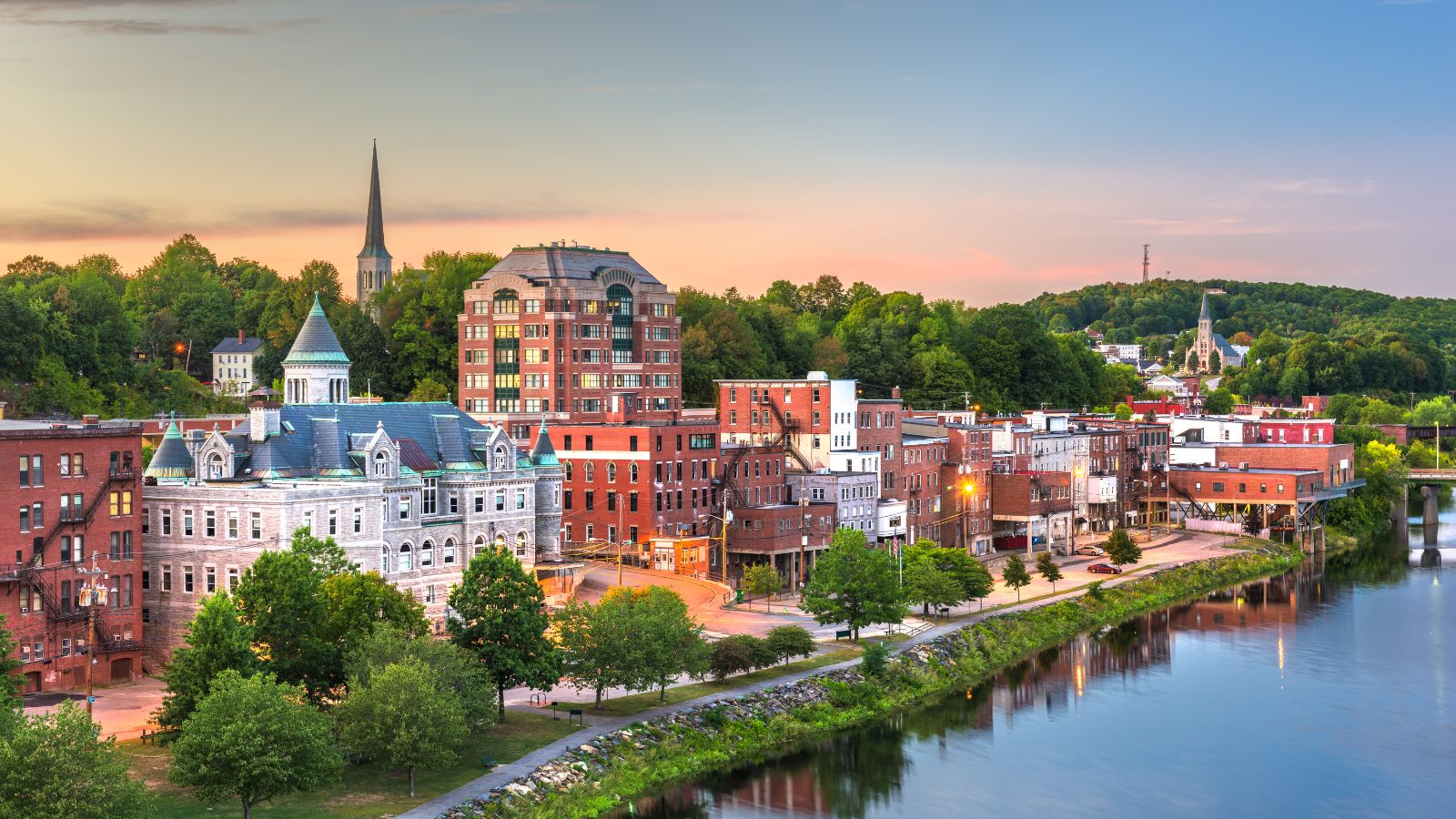
Kennebec County, ME, offers a warm and welcoming atmosphere shaped by historic charm, natural beauty, and an easy pace of daily life. Located in the heart of Maine, the county provides convenient access to scenic river views, thriving local businesses, and communities that value connection. Residents appreciate the balance between peaceful neighborhoods and lively town centers, where cafés, parks, and small shops create a friendly setting for everyday living. Outdoor recreation, cultural attractions, and seasonal events give the area a sense of vibrancy, while its central location keeps travel to nearby regions simple. Whether you’re strolling through a historic downtown, visiting a farmers market, or enjoying quiet afternoons along the Kennebec River, the county offers a comforting mix of experiences that make newcomers feel welcome from the start. For those seeking a place with steady community ties and a relaxed lifestyle, Kennebec County delivers a well-rounded environment that supports families, professionals, and retirees alike.
What Is the History of Kennebec County, Maine?
The history of Kennebec County begins with the Indigenous peoples who lived along the river that now shares the county’s name. The river served as a vital transportation route and supported communities through fishing, hunting, and trade. European settlers arrived in the early 1600s, drawn to the area’s fertile land and water access. Over time, small settlements took shape along the riverbanks, forming the foundation of towns that continue to thrive today. By 1799, Kennebec County was officially established as part of Maine’s expanding governmental structure, and it quickly became a center of industry and commerce.
The Kennebec River played a central role in the county’s early economy. During the 19th century, logging became one of the region’s most influential industries. Timber harvested from northern forests floated downriver, passing through Kennebec County to mills and shipyards. Augusta, now the state’s capital, became a key hub for both manufacturing and governance. Paper mills, textile factories, and small businesses supported growing populations and shaped the county’s economic identity.
As the 20th century progressed, Kennebec County adapted to changing industries while preserving its historic character. Government, healthcare, education, and service-based professions became major employers. Throughout this evolution, the county invested in infrastructure, historic preservation, and civic development. Residents and local leaders worked to maintain the region’s architectural heritage, protect natural landscapes, and strengthen community resources. Today, visitors can still see traces of the county’s past in its restored downtowns, historic homes, and preserved landmarks. Kennebec County’s history reflects steady growth, resilience, and an ongoing commitment to honoring the people and industries that shaped the region.
Homes for Sale
What Is Life Like in Kennebec County, Maine?
Life in Kennebec County blends everyday comfort with opportunities for recreation, community engagement, and cultural enrichment. Residents enjoy easy access to parks, trails, lakes, and rivers that encourage an active lifestyle year-round. Kayaking, hiking, and fishing are common pastimes in warmer months, while winter offers snowshoeing, ice skating, and local events that bring communities together. The county’s small cities and towns each contribute to a welcoming atmosphere, where local businesses, cafés, and family-run restaurants give the area a friendly, familiar feel.
Dining options range from casual diners to farm-to-table establishments, with menus reflecting Maine’s coastal influence and dedication to quality ingredients. Many communities host farmers’ markets and seasonal celebrations that highlight local produce, seafood, and artisanal goods. Shopping districts mix modern conveniences with boutique stores, antique shops, and specialty retailers. Arts and culture also thrive throughout the county, supported by galleries, theaters, community arts centers, and historic venues offering concerts, performances, and exhibitions.
Kennebec County places strong emphasis on community involvement. Town festivals, parades, and holiday gatherings offer residents opportunities to connect and participate in local traditions. Sports leagues, hobby groups, and volunteer organizations create additional avenues for engagement. Families appreciate the county’s safe, supportive environment and the variety of youth and adult programs available through recreation departments and community centers.
Professionals benefit from the region’s balanced lifestyle and steady economy. Augusta’s role as the state capital brings a range of career opportunities across government, healthcare, education, and business services. Smaller towns offer a mix of local employment and easy commutes to nearby regions. Whether enjoying scenic weekend outings or participating in local activities, life in Kennebec County revolves around comfortable routines, meaningful connections, and a community-wide sense of pride.
What Cities Make Up Kennebec County, Maine?
Kennebec County includes a diverse mix of cities and towns, each offering its own character and appeal. Together, they create a network of communities that support a wide range of lifestyles, from vibrant urban settings to peaceful rural retreats. Residents can choose environments that fit their needs while still enjoying access to the county’s shared amenities and resources.
Augusta: As Maine’s capital city, Augusta serves as the administrative and cultural center of the state. The city offers a wide range of employment opportunities in government, healthcare, and education. Its revitalized downtown features restaurants, local shops, and cultural venues that support both residents and visitors. Outdoor recreation is easily accessible thanks to the Kennebec River, local parks, and the nearby Kennebec Rail Trail. Historic architecture, museums, and civic buildings add depth to the city’s character. Augusta’s mix of convenience, history, and community makes it an appealing place for professionals, families, and retirees seeking an active yet welcoming environment.
Waterville: Known for its strong arts culture and educational influence, Waterville is home to Colby College and Thomas College. The city features a lively downtown anchored by the arts, including galleries, theaters, and an annual film festival. Restaurants, cafés, and locally owned businesses help create a vibrant sense of community. Waterville also offers parks, trails, and waterfront access, encouraging residents to enjoy outdoor activities year-round. Its academic presence supports a dynamic atmosphere with frequent events, lectures, and cultural programs. For those seeking a blend of creativity, education, and small-city comfort, Waterville stands out as a compelling option.
Hallowell: Often described as one of the region’s most charming small cities, Hallowell sits along the Kennebec River just south of Augusta. Its historic downtown features beautifully preserved buildings, art galleries, music venues, antique shops, and restaurants. The city’s walkability and scenic riverfront make it a beloved gathering spot for residents and visitors. Community events, festivals, and outdoor concerts contribute to the city’s lively spirit. Hallowell offers a unique blend of artistic culture, historic architecture, and friendly local energy, appealing to those who appreciate character-rich neighborhoods and vibrant community life.
Gardiner: Located along the river, Gardiner combines historic appeal with modern amenities. The city’s downtown features brick storefronts, locally owned businesses, and public art installations that create an engaging atmosphere. Residents benefit from waterfront access, parks, community programs, and seasonal events. Gardiner has earned recognition for its commitment to downtown revitalization and community-building efforts. Its neighborhoods offer a mix of historic homes and newer developments, giving residents several housing options. The city’s balance of charm, convenience, and civic engagement makes it an inviting place to call home.
Winthrop: Known for its lakeside setting and peaceful atmosphere, Winthrop offers a quieter lifestyle amid natural beauty and strong community connections. Several nearby lakes offer boating, swimming, and fishing throughout the summer, making them popular destinations for outdoor enthusiasts. The town center includes small shops, eateries, and services that meet everyday needs. Community activities, recreation programs, and seasonal celebrations bring residents together in meaningful ways. With its scenic landscapes and steady pace of life, Winthrop appeals to families, retirees, and anyone who enjoys a close connection to Maine’s outdoors.
Each of these cities contributes to the broader identity of Kennebec County. Whether you prefer the activity of a capital city, the creativity of a college town, or the calm of a lakeside community, the county’s diversity ensures that residents can find a place that feels like home.
What Schools Are in Kennebec County, Maine?
Education plays an important role in Kennebec County, supported by a variety of public, private, and higher education institutions. Public schools are organized through multiple districts, including Augusta Public Schools, Waterville Public Schools, RSU 11 in Gardiner, and the Winthrop Public Schools system. These districts offer strong academic programs, extracurricular activities, athletic opportunities, and student support services. Many schools emphasize community involvement, providing students with access to enrichment programs, local partnerships, and hands-on learning experiences.
Augusta’s schools offer a well-rounded curriculum backed by dedicated educators and modern learning resources. Waterville schools benefit from partnerships with local colleges, offering advanced placement courses, dual enrollment options, and arts-focused programs that support student creativity and academic growth. Gardiner and Winthrop schools maintain supportive environments where small class sizes, community engagement, and diverse offerings allow students to thrive academically and socially.
Private education is also available throughout the county. Institutions such as St. Michael School in Augusta and Temple Academy in Waterville provide faith-based instruction and character-focused learning environments. These schools offer small class settings, individualized support, and strong family involvement. Additional private academies and early education centers offer childcare, preschool, and specialized programs designed to support early development.
Higher education is a major asset to the region. Colby College, located in Waterville, is one of the nation’s top liberal arts institutions. Its campus supports academic excellence, research opportunities, and cultural events open to the community. Thomas College, also in Waterville, provides undergraduate and graduate programs known for strong business, technology, and education curricula. Nearby in Augusta, the University of Maine at Augusta offers flexible learning paths, including in-person and online programs that serve both traditional and nontraditional students. Together, these institutions create a robust network of educational resources that benefit learners of all ages.
What Is the Climate Like in Kennebec County, Maine?
Kennebec County experiences a four-season climate, with mild summers, colorful autumns, snowy winters, and refreshing springs. The region averages around 190 sunny days each year, along with approximately 45 inches of rainfall and about 70 inches of snowfall. This seasonal variety supports a wide range of outdoor activities and contributes to the county’s scenic landscapes year-round.
Summer brings warm, comfortable temperatures averaging in the 70s and low 80s. Lakes and rivers become popular destinations for swimming, boating, and fishing, and local parks host outdoor concerts, community events, and family gatherings. Evenings tend to cool into the 50s and 60s, offering pleasant conditions for dining outdoors or enjoying walks along the water.
Autumn is a highlight for many residents. The county’s forests transform into brilliant shades of red, orange, and gold, creating vibrant scenery ideal for leaf-peeping, hiking, and seasonal festivals. Daytime temperatures typically fall in the 50s and 60s, with cooler evenings that signal the start of the holiday season. Fall markets and local celebrations become community staples during this period.
Winter introduces cold temperatures, usually ranging from the teens to the 30s. Snowfall is common and supports winter recreation such as snowshoeing, cross-country skiing, and ice fishing. While winters can be brisk, they also bring cozy community traditions, holiday events, and opportunities for indoor arts and entertainment.
Spring marks a welcome transition with temperatures rising into the 40s, 50s, and 60s. Snowmelt gives way to blooming trees, running streams, and renewed outdoor activity. Residents enjoy returning to local trails, markets, and parks as daylight increases. The consistent rainfall helps maintain the area’s lush greenery, preparing landscapes for the summer ahead. Overall, Kennebec County’s climate supports a comfortable, engaging year-round lifestyle, enriched by seasonal rhythms and natural beauty.
How Convenient Is Transportation in Kennebec County, Maine?
Transportation in Kennebec County provides a strong combination of local convenience and regional connectivity. The county’s central location offers easy access to major highways, including Interstate 95, which runs directly through Augusta and connects residents to Bangor in the north and Portland in the south. U.S. Route 202, Route 3, and Route 17 further expand travel options, making it simple to reach neighboring counties, coastal regions, and popular recreational destinations.
Public transportation is available through services such as Kennebec Explorer, which provides bus routes in Augusta and surrounding communities. These routes support daily commutes, shopping trips, and essential travel for residents who prefer not to drive. While public transit is limited outside the more populated areas, many towns remain easily accessible through well-maintained roadways and efficient traffic flow.
For air travel, Augusta State Airport serves as a regional hub offering flights to select destinations. Residents also benefit from the proximity to Portland International Jetport, about an hour away, which offers a broader range of domestic and international flights. This makes travel for business, leisure, and family visits convenient and accessible.
Kennebec County continues to invest in pedestrian-friendly infrastructure, including sidewalks, trails, and bike paths that encourage outdoor commuting and recreation. The Kennebec River Rail Trail is especially popular, offering a scenic route for walking, jogging, and cycling between Augusta, Hallowell, and Gardiner. These options help residents stay active and engaged with their communities while supporting sustainable travel. Overall, transportation throughout the county is reliable, practical, and well-suited to both local needs and longer-distance travel.
Are You Ready to Explore Life in Kennebec County?
Kennebec County, ME, offers a comfortable lifestyle shaped by strong communities, scenic landscapes, and convenient access to essential amenities. Its welcoming neighborhoods, active arts and culture scene, and reliable infrastructure create a supportive environment for individuals and families at every stage of life. Whether you are drawn to the charm of its historic towns or the convenience of its central location, the county provides an appealing balance of connection and comfort. If you are considering a move to the heart of Maine and want to learn more about available homes or local opportunities, reach out to me when you are ready to take the next step toward calling Kennebec County home.